
Deep Recovery Massage
Do you ever feel like your body is heavy, tight, or simply not recovering as well as it used to?
Maybe you exercise regularly. Maybe you spend long hours at a desk. Or maybe you carry tension in the same areas again and again — your shoulders, neck, lower back, hips, or legs — and even a deep tissue massage does not always feel enough.

At Revive Massage Studios, our new Deep Recovery Massage has been designed for exactly this kind of body.
What is Deep Recovery Massage?
Deep Recovery Massage is a focused, results-driven treatment based on sports massage techniques. It is designed to help relieve deep-seated muscle tension, chronic tightness, and physical fatigue.
Unlike a general relaxation massage, this treatment focuses more specifically on areas that feel restricted, overworked, or difficult to release. The aim is not only to ease tension, but also to help improve movement, reduce heaviness, and support more effective recovery.
Who is Deep Recovery Massage suitable for?
Deep Recovery Massage is suitable for anyone who feels that their body is extremely tight, heavy, or difficult to release.
Although this treatment is inspired by sports massage techniques, it is not only for athletes or people who exercise regularly. It can also be ideal for clients who feel that their muscles have become very stiff, rigid, or “locked up” from everyday stress, posture, long hours at a desk, physical work, or ongoing tension.
This treatment may be especially suitable if you:
feel that your muscles are extremely tight or hard
have tension that does not fully release with Deep Tissue Massage
experience stubborn tightness in the shoulders, neck, back, hips, or legs
feel heavy, tired, or restricted in your body
prefer a stronger, more focused massage
want a treatment that works deeper into long-standing muscle tension
Deep Recovery Massage is designed for people who need more than a general relaxing massage. It is a focused treatment for deep, stubborn tension and bodies that feel overworked, stiff, or difficult to loosen.
You do not need to be an athlete to benefit from Deep Recovery Massage. This treatment is also ideal for anyone whose muscles feel extremely tight, rigid, or difficult to release — especially when Deep Tissue Massage does not feel quite enough
How is it different from Deep Tissue Massage
Deep Tissue Massage is already a firmer treatment that works on muscle knots, trigger points, and areas of chronic tension. At Revive, it is recommended for clients who need specific attention on tight muscles and want to ease tension, increase range of motion, and relieve chronic pain.
Deep Recovery Massage goes one step further in its focus on recovery and movement. It uses a more sports massage-inspired approach and is ideal for stubborn areas that feel difficult to release, even with deep tissue work.
If you’re looking for relaxation while also releasing tension, a deep tissue massage is the more relaxing option.
A deep recovery massage involves more stretching and intensive techniques aimed at muscle recovery.
What can you expect during the treatment?
Your therapist will focus on the areas that need the most attention. Pressure can be adjusted depending on your body and your comfort level, but the treatment is generally firm, specific, and purposeful.
You may feel that certain areas are tender, especially where the muscles are tight or overworked. However, the treatment should never feel unbearable. Communication with your therapist is important, so the pressure can be adapted to your needs.
After the massage, many clients feel lighter, looser, and more comfortable in their body. Some people may feel mild soreness afterwards, similar to how the body can feel after exercise, especially if the muscles were very tight.
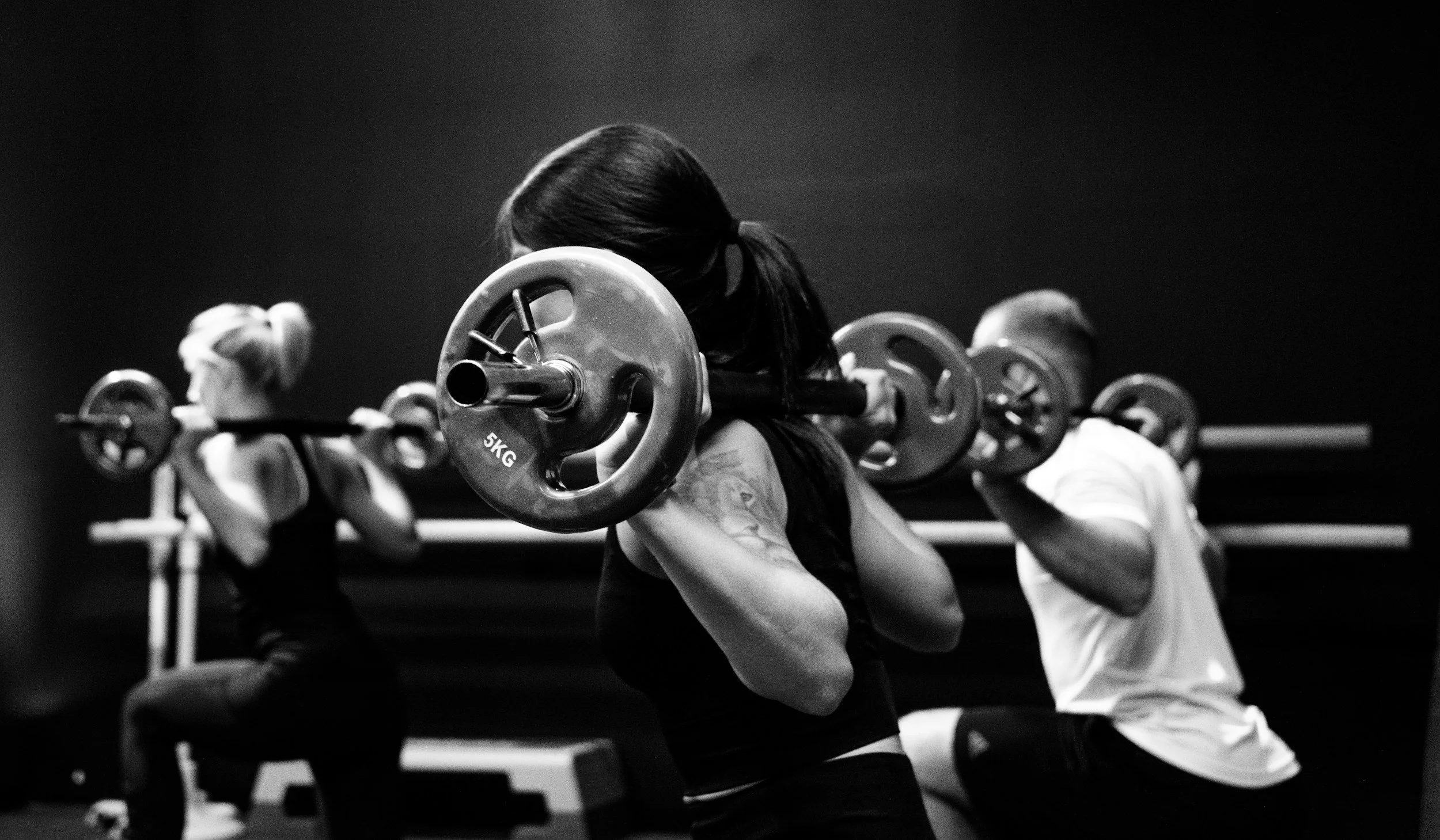
Supporting your recovery after the massage
To get the most from your Deep Recovery Massage, we recommend drinking water after your treatment and allowing your body some time to rest. Gentle movement or stretching can also help, but intense exercise immediately afterwards may not be ideal if your body feels tired.
Recovery is not only about treating pain when it appears. It is also about listening to the body before tension becomes too uncomfortable.